
SCROLL


Convene: Boston
Join us at the intersection of people and security. August 13-14, 2026.

Then & Now
Help the older adults in your life stay safe online.

SCROLL
Convene: Boston
Join us at the intersection of people and security. August 13-14, 2026.
Then & Now
Help the older adults in your life stay safe online.
SCROLL
Convene: Boston
Join us at the intersection of people and security. August 13-14, 2026.
Then & Now
Help the older adults in your life stay safe online.
Latest Resources
Over
Articles and Resources
What’s Wrong With Cybersecurity Behaviors and Attitudes? Pretty Much Everything, New Survey Reveals
Over the past five years, people’s behaviors and attitudes about cybersecurity have become more fatalistic, confused, and frustrated.
What’s Wrong With Cybersecurity Behaviors and Attitudes? Pretty Much Everything, New Survey Reveals
Over the past five years, people’s behaviors and attitudes about cybersecurity have become more fatalistic, confused, and frustrated.

Password Managers
Don't pass on password managers. Learn more about these useful tools.

Best Vacation and Travel Cybersecurity Tips
Simple ways to protect your data, devices, and peace of mind while traveling.

Hiring in Cyber: How You Can Launch Your Cybersecurity Career
Cybersecurity remains a critical field today, and these skills are in demand even with the rise of artificial intelligence.

Cybersecurity Tips for Small Businesses This Tax Season
Tax season is a busy, high-stakes time for small business owners, from solopreneurs to companies with dozens of employees.
Don't Miss Out!

Oh Behave! Cybersecurity Attitudes and Behaviors Report: 2021–2025
A five-year research study examining how people’s cybersecurity attitudes, habits, and behaviors change over time.
Oh Behave! Cybersecurity Attitudes and Behaviors Report: 2021–2025
A five-year research study examining how people’s cybersecurity attitudes, habits, and behaviors change over time.
Stay Safe Online
We have been empowering a more secure, interconnected world since 2001. Learn more about us and our broad-reaching initiatives and people-first approach to technology.
Upcoming Events
We have opportunities throughout the year to learn about online safety basics, stay on top of industry trends and best practices, and connect with the cybersecurity community. Join in our mission in creating a more secure world by attending our in-person and virtual events.
Aug 13, 2026
|
AGO
Convene: Boston | Cybersecurity & Human Risk Conference
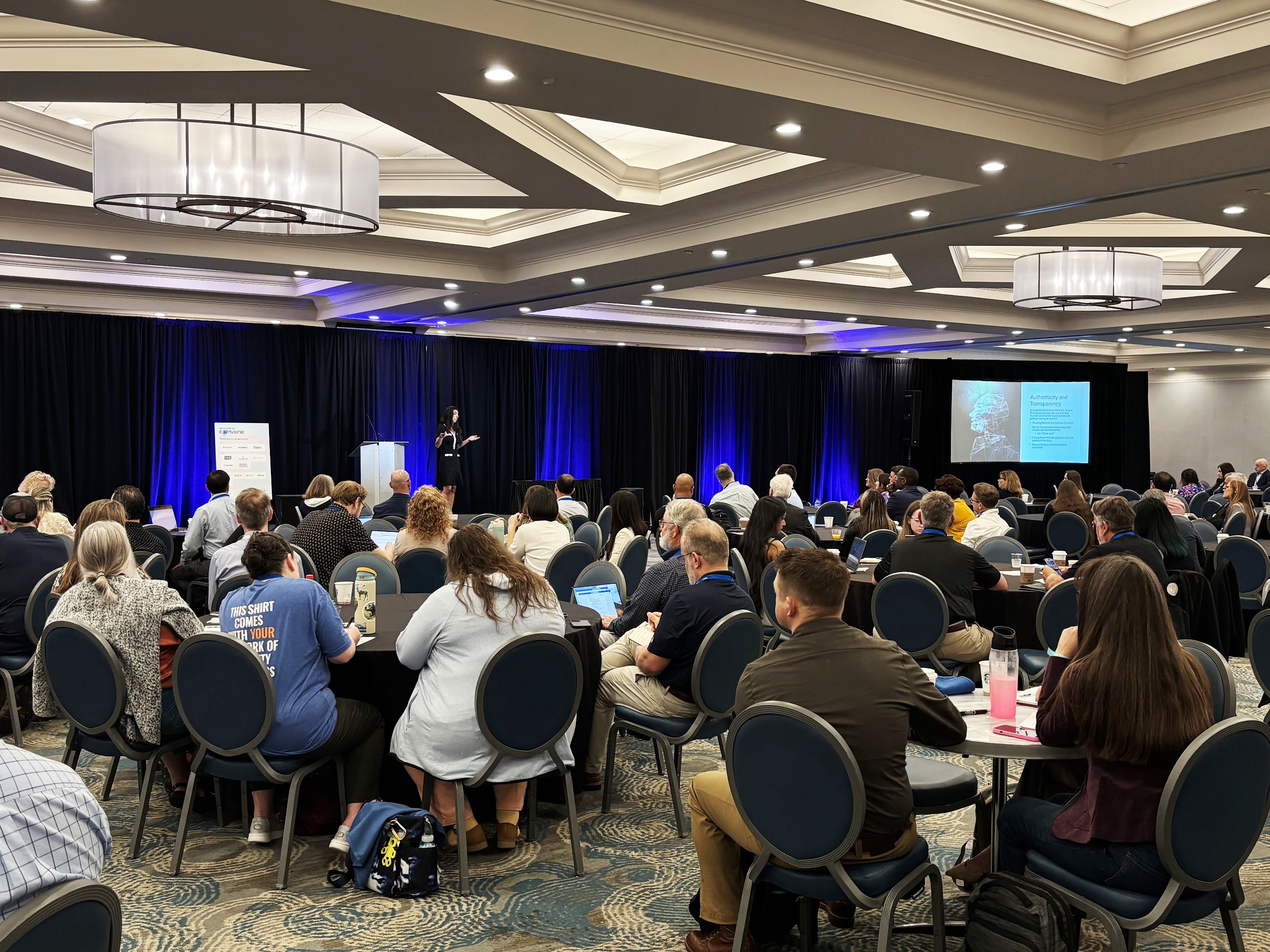
At the Intersection of People and Security. Convene: Boston is a cybersecurity conference focused on human risk management and security awareness. This August 13-14 in Boston, Convene will bring together cyber professionals, security awareness managers, and behavioral science experts to explore emerging cyber threats and practical strategies for reducing human risk.
Aug 13, 2026
|
AGO
Convene: Boston | Cybersecurity & Human Risk Conference
At the Intersection of People and Security. Convene: Boston is a cybersecurity conference focused on human risk management and security awareness. This August 13-14 in Boston, Convene will bring together cyber professionals, security awareness managers, and behavioral science experts to explore emerging cyber threats and practical strategies for reducing human risk.

Apr 13, 2026
|
AGO
Scams in the Age of AI
Join our webinar to learn how to stay safe from AI-powered scams!
Apr 13, 2026
|
AGO
Scams in the Age of AI
Join our webinar to learn how to stay safe from AI-powered scams!
Our Initiatives
Our task is clear — to keep everyone safe online. Our programs are designed to reach and educate a variety of diverse audiences, from individuals and students, to business owners and industry professionals. Learn more about how you can join in!
Thank you for putting this information out there to educate the business and the public.
—
Web User
Toolkits
We very much appreciate the resources and information to help our clients stay aware and secure.
—
Resource User
Toolkits
We value the work you put into the campaigns and appreciate your efforts to help keep our customers safe.
—
Champion
Cybersecurity Awareness Month
It is great to have simple, but powerful resources that can be shared with a wide variety of audiences...
—
Resource User
Toolkits
I had a good time and brought tons of knowledge back. I'm going to hit up the boss to go again.
—
Event Attendee
Convene
I think your resources are great and makes it easier to increase maturity and awareness in organizations regarding cybersecurity and digital safety. Please keep up the good work!
—
Resource User
Toolkits
At entry-level training, content and time allocated could be in countless permutations. This is a high-quality and value product.
—
Course Attendee
CyberSecure My Business
They provide clear, ready-to-use resources that strengthen compliance, safety, and community engagement… your toolkits stand out for their practicality, versatility, and impact.
—
Resource User
Toolkits
The resources you provide are excellent.
—
Champion
Data Privacy Week
This scholarship represents more than financial support; it’s validation of my capabilities and affirmation that I’m on the right path in computer science and cybersecurity.
—
Scholarship Recipient
See Yourself in Cyber
What people are saying about us
What people are saying about us
FEATURED IN MAJOR NATIONAL AND INTERNATIONAL MEDIA OUTLETS
Get Involved
"Alliance" is more than just a name. It’s a reminder that online safety and cybersecurity is a group effort. No matter your industry, job, or location, you have a part to play. Get involved and help us empower a more secure interconnected world.
FAQ
What is the National Cybersecurity Alliance (NCA) and what does it do?
The National Cybersecurity Alliance (NCA) is dedicated to creating a safer, interconnected digital world by empowering individuals, businesses, and organizations to protect their online presence. Through various initiatives, we provide free resources, training, and events to educate people on cybersecurity best practices, data privacy, and online safety.
How can I request a speaker for my organization?
To request a speaker, simply visit our Request a Speaker page. We offer both virtual and in-person presentations tailored to various audiences, covering topics like cyber basics, social media safety, data privacy, and more. You can choose from one of our preset talks or request a customized presentation.
What is Cybersecurity Awareness Month and how can I get involved with NCA?
Cybersecurity Awareness Month, held every October and co-led by NCA and CISA, is a global initiative to educate individuals and organizations on protecting their digital lives. You can get involved by registering as a Champion, accessing and sharing our free resources, participating in events, or requesting a speaker for your organization.
What resources does NCA provide for individuals and businesses?
We offer hundreds of free resources, including articles, videos, infographics, and toolkits on topics like cybercrime, data privacy, and small business security. These materials can be used to raise awareness and improve cybersecurity practices at home, work, or within the community.
Resources
Initiatives
Special Campaigns
Mailing Address: 717 Coliseum Drive NW, Winston-Salem, NC 27106
Copyright ©
2026
Stay Safe Online. National Cybersecurity Alliance (NCA). All Rights Reserved. Cy Pres | Privacy Policy | Code of Conduct | Brand Assets | Terms of Use
Resources
Initiatives
Special Campaigns
Mailing Address: 717 Coliseum Drive NW, Winston-Salem, NC 27106
Copyright ©
2026
Stay Safe Online. National Cybersecurity Alliance (NCA). All Rights Reserved. Cy Pres | Privacy Policy | Code of Conduct | Brand Assets | Terms of Use
Resources
Initiatives
Special Campaigns
Mailing Address: 717 Coliseum Drive NW, Winston-Salem, NC 27106
Copyright ©
2026
Stay Safe Online. National Cybersecurity Alliance (NCA). All Rights Reserved. Cy Pres | Privacy Policy | Code of Conduct | Brand Assets | Terms of Use