Toolkits
|
Min Read
Online Dating and Romance Scams: How to Protect Your Heart and Your Money
Dating apps, social media, and messaging platforms help millions of people build meaningful relationships.
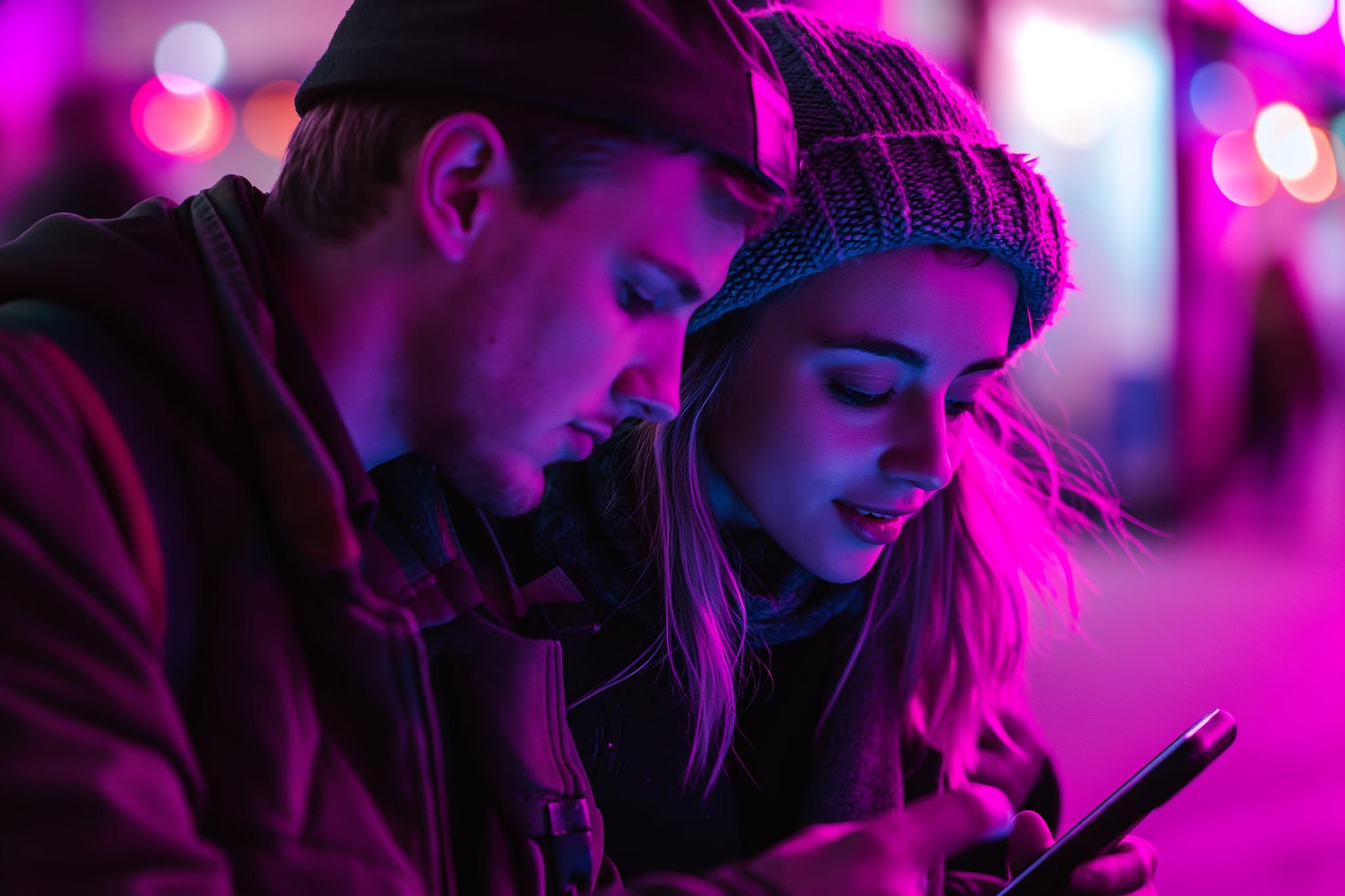
Unfortunately, scammers are single and ready to mingle – they go where people are, and that includes dating platforms.
Romance scams, sometimes called sweetheart scams, are one of the most financially and emotionally damaging types of online fraud. Scammers exploit trust, affection, and loneliness to steal money and personal information. These scams can range from catfishing to investment scams known as "pig butchering."
Importantly, knowing how these scams work can help you spot them early and stay safe.
What is a romance scam?
A romance scam happens when a criminal creates a fake online identity to form a romantic relationship with someone. Their goal isn’t love – it’s money or personal information.
A common scammer playbook includes:
Building trust over days, weeks, or months
Pretending to share deep feelings
Creating believable stories about their life and hardships
Eventually asking for money, gifts, or financial help
Once money is sent, it’s usually gone for good.
Today’s romance scammers are increasingly sophisticated because of the mainstream spread of artificial intelligence. They can use AI-generated photos, deepfake videos, or voice cloning to appear highly realistic. Scammers can also use AI chat tools to quickly craft convincing messages.
Common romance scam red flags
Romance scammers often follow similar playbooks. Watch for these warning signs:
They ask for money
They may claim it’s for:
Medical emergencies
Travel costs to visit you
Business problems
Military deployment needs
Our recommendation? Never, ever send money to someone you haven’t met in person.
They request hard-to-trace payments
Scammers will ask for money in ways that seem sort of odd, like:
Gift cards
Cryptocurrency
Wire transfers
Payment apps
This is because these payment methods are difficult to reverse or track.
They say they live far away
Romance scammers often claim that they are:
Working overseas
In the military
On an oil rig
Traveling for business
Distance gives them an excuse to avoid meeting.
They avoid video chats or in-person meetings
They may cancel plans, make excuses, or claim their camera is broken. Even if they do video chat, remember AI deepfakes are becoming more common.
They move the relationship very fast
Declarations of love within days or weeks are a classic tactic. The goal is to build emotional dependence quickly.
They push you off the dating platform
Scammers often ask to switch to text, WhatsApp, Signal, or Telegram. This helps them avoid platform monitoring and reporting systems.
How to protect yourself from romance scams
A few repeatable habits can go a long way.
Share with care
Think about what you post publicly. Personal details can help scammers target and manipulate you.
Always check your privacy settings
Set social media profiles and dating services to private when possible to limit unwanted contact.
Use reverse image search
Search a profile photo to see if it appears elsewhere online. If the same image is tied to different names, it’s likely a scam. However, with AI, it is easy to create a believable fake profile photo in seconds, so if you can't find the photo elsewhere, you might still be talking to a scammer.
Slow things down
Healthy relationships take time. Be cautious if someone pushes for quick emotional commitment.
Be cautious with personal information
Protect your personal info like cash! Never share:
Financial details
Home address
ID numbers
Workplace information
What to do if you’re targeted or scammed
If you suspect you are the victim of a romance scam, take action ASAP!
Stop communication
Cut off contact immediately. Do not engage with person further; don't even "break up" with them.
Save evidence
You have the best shot at getting money back if you collect evidence. Take screenshots and document all your communication. This includes:
Emails
Messages
Usernames
Phone numbers
Payment records
Contact your financial institution
If you have sent money, notify your bank or card provider immediately. Their fraud department will tell you the next steps.
Report the scam
Also report the scam as a crime. You can report to:
The FTC
The FBI’s Internet Crime Complaint Center (IC3)
The dating app or platform where the scammer made contact
Your local law enforcement, i.e., the police department
Reporting helps investigators track patterns and stop future scams.
Romance scams break hearts and banks
Romance scams cost Americans over a billion dollars each year, and many, many cases go unreported. Financial loss is only part of the damage, because victims often experience emotional distress and betrayal.
Anyone can be targeted. Scammers are skilled at manipulation and at playing on our need for human connection, not on technical weaknesses.
Check out our dating app simulator, Phisher, to learn how to spot the scammers before they try to steal your heart and your money!

